
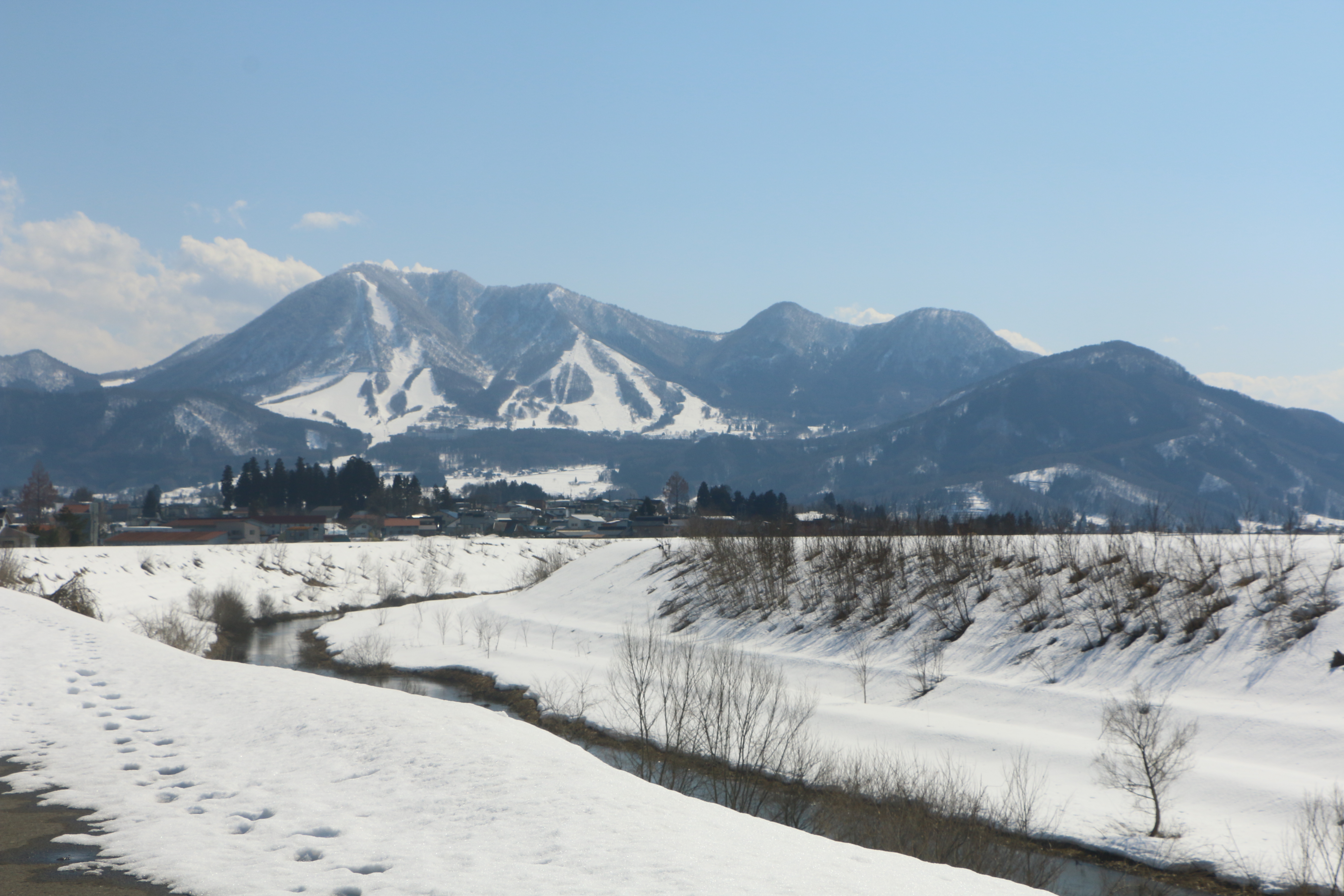
Just like that, the heavy blanket of snow has melted, and the long winter in Nagano has come to an end. It’s been four months since we moved here, and we’ve already learned so much. Come along with me as I reflect on our first winter living in Japan’s snow country.

Let’s start with the snow!
When we visited this area in February last year, there was greenery poking through the ground cover of snow. But not this year though, oh no. The snow season this year was exceptional. Every morning, I’d shiver into my Oodie, hug my coffee, and peek out of the genkan to eyeball the wheels on our car. In a totally white landscape, that became my official way of measuring how much snow had dumped overnight—and whether or not we (my husband) needed to bust out the snow fighter. On an average morning, the snow came about halfway up the wheels. My fancy Canadian Sorel boots didn’t cut it, this was a job for insulated knee-high gumboots.

Shoveling life
Before moving here, we were warned that the hardest part of living in snow country is the constant shoveling. And they were right. You. Will. Be. Shoveling. I actually came to love snow shoveling as a form of exercise and mental health maintenance after being cooped up inside with the children all day. (I joke, I joke. Kind of.)
Our particular situation is that we have a long driveway and no garage, which means we get snowed in constantly and can’t go anywhere in a hurry. We have to shovel a path to the car, clear the foot of snow off the windshield, roof and mirrors, and defrost that popsicle. A few times—always when we were running late for daycare drop-off, of course—we learned that the electric sliding doors on our car freeze shut if it’s too cold. That’s actually a thing in snow country. The more you know.

Snow wars
Rather generously, our landlord left a very decent-sized snow plough in the shed for us to use—the Honda Snow Fighter. The first time my husband used it, it took over an hour just to clear our driveway so we could go out for the day. Over time, he got it down to a fine art.
One of the only rules our landlord gave us when we moved in was: “Your land, your snow, your responsibility.” Which got me thinking: have there been fights about snow here before? What do people in tighter suburban areas do? I like to imagine full-on snow wars, with people secretly dumping snow onto each other’s properties under the cover of darkness.
Luckily, we have plenty of space between us and our neighbour’s house to shoot the snow into. We learnt to be strategic, because wherever you send snow, it stays there until mid-April when it finally melts. What a long season! Everywhere else in Japan was already like ‘yay sakura season!’ and we were still blanketed in snow.

Our charming old house
When weighing up housing options, one of the reasons we chose our old kominka-style house over an apartment (aside from the unbelievably cheap $200 AUD/month rent) was the ample space and multiple bedrooms. We thought it would be perfect for our turbo boys to run around in.
But once we moved in, it quickly dawned on us that we couldn’t actually use all that space—at least not in winter, anyway—because it’s impractical to heat every room. Inside, it was around 3°C, with fusuma sliding doors and gaps everywhere for cold air to creep in. Brrr.

Shizen rakka roofs for the win
A special mention goes to our MVP: the shizen rakka (natural fall) roof, where the snow slides off on its own. My thoughts and prayers go out to those with non-shizen rakka roofs, who have to climb ladders in sketchy, icy conditions and manually shovel it off every day.
To give you an idea of just how much snow we got over the season: on one side of the house, the snow piled up so high it created a solid wall all the way to the roofline. We had to close the amado (typhoon shutters) to protect the windows. So that side of the house was freezing, with no sunlight or scenery for months.
Village life
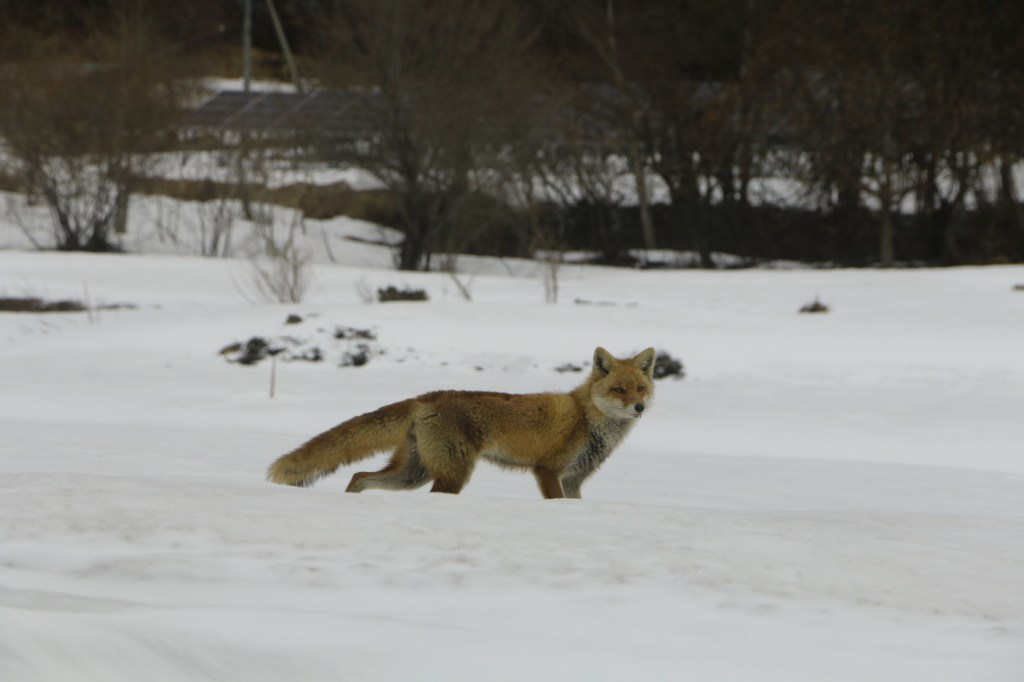
Living in a small village, we quickly realized that, for better or worse, everyone knows everyone. All the neighbours in our little pocket are mostly from the same two families. I’m the only foreigner living in this part of the village, so when I went to the local village office to ask about recycling one day, the staff member—a total stranger to me—already knew who I was. The door-knocking salesman who came to our house? Also a stranger. And yet, somehow also knew about me and that I was from Australia.
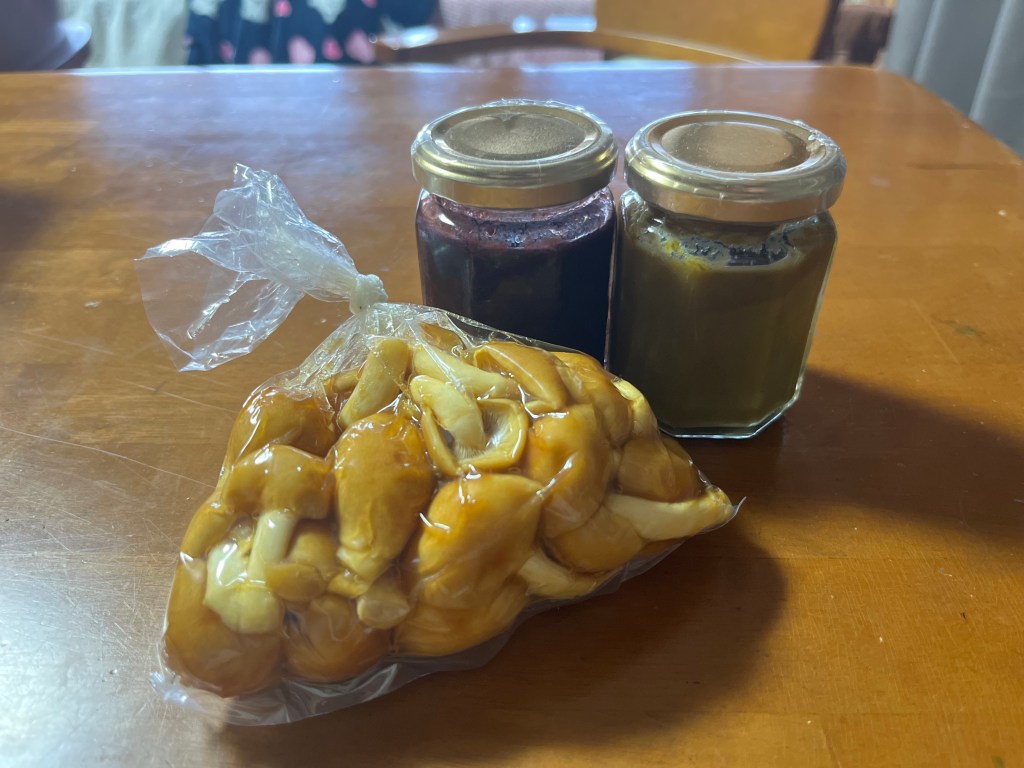
One day, a woman we had only briefly exchanged greetings with at our children’s daycare suddenly turned up on our doorstep unannounced. She brought us produce from her farm and even offered us a job! As it turns out, she got our names and address from the daycare. I was so shocked! Maybe privacy laws don’t really apply here?
That said, the people in this village have been incredibly kind and welcoming. We received moving-in gifts like wombok, scallions, roll cake, and even toys for the kids.
Setting ourselves up
The first few weeks here were just shopping, shopping, shopping. Starting fresh in a new country, we had nothing—not even a pen to write down a shopping list! We had to buy everything from scratch.
Our go-to affordable stores were:
- Seria (a nicer version of Daiso)
- Nitori (homewares and furniture)
- Don Quijote (literally everything)
- 2nd Street (secondhand gems—we scored our dining table and chair set for just 2,900 yen, about $30 AUD! Do yourself a favour and go to 2nd Street. Japanese thrift stores are on another level.)
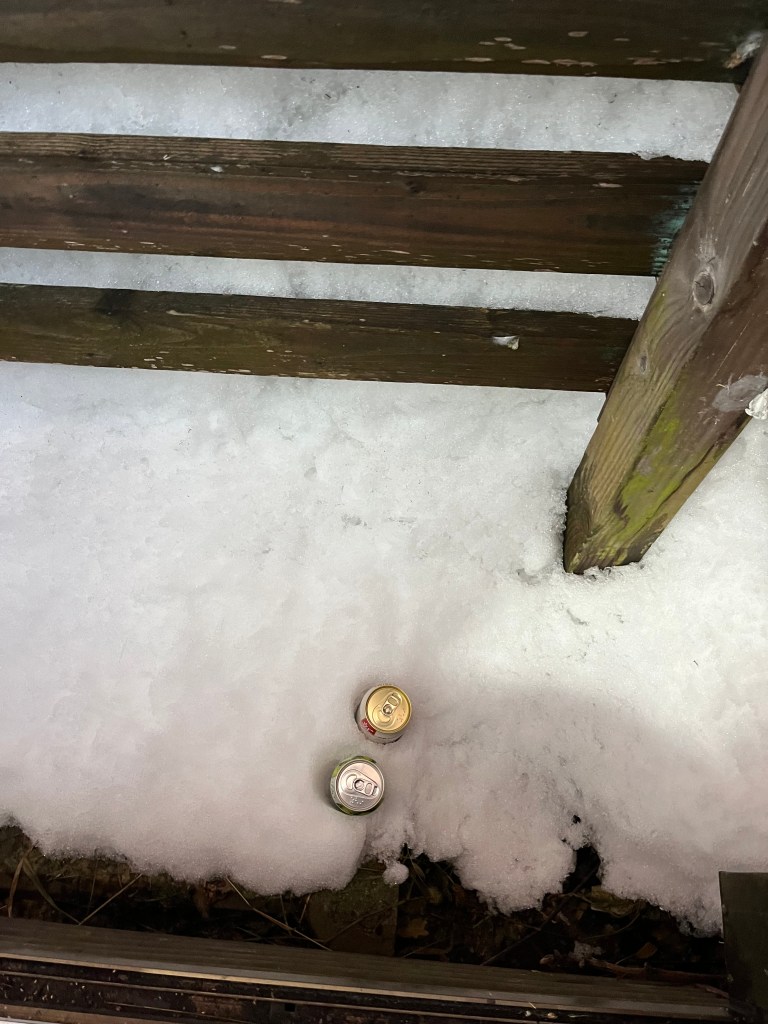
I was surprised to learn that most Japanese kitchens don’t come with a built-in oven or cooktop. Even in rentals, you have to buy your own. This is super niche, but to quote Atsugiri Jason: “Whyyyy, Japanese people, why?!” So, we bought those appliances first (after heaters, of course), because we had to feed ourselves. But weirdly, it took us the longest time to buy one of the most essential items: a fridge. For weeks, we kept our milk, meat, and veggies in our “snow fridge” outside the sliding door, tucked between the wall of snow and the house.
Expectations vs reality…
You might be thinking, with around 15 different ski resorts located within a one-hour drive, we would have been carving up all that fluffy J-POW. We actually thought we would be, too. But reality is a bit different when you have two young children. (How do parents balance parenthood and outdoor adventures? Let me know!) I’m looking forward to next year as my oldest will be 5 and ready to start ski lessons, and the youngest will be happy hanging out in the daycare.
So, while this season didn’t look as snowboard-ey as we’d hoped, what we did enjoy that was unexpected was watching our children experience their first proper snowy winter:
- Trying to catch snowflakes on their tongues
- Eating copious amounts of snow
- Building and decorating a snowman
- Having snowball fights
- Building and then sliding face-first down a snow slide
- Learning how to toboggan
- Pushing each other around on a snow shovel
- Splashing in puddles of melted snow
Every day was filled with magic and wonder. In those priceless moments, all of the hardships of moving countries melted away. And while I’m enjoying the warmth of spring as I write this, part of me can’t wait for winter in Nagano again.

 Crane & Maple